Product-Led Growth

Product led Growth in AI Infrastructure
Product led Growth is becoming one of the most important forces in AI infrastructure, developer tools, and enterprise software. In earlier software eras, infrastructure companies often won through technical depth, long sales cycles, and procurement-driven adoption. In AI, that pattern is changing fast.
Today, the companies pulling ahead are often the ones that pair strong technical foundations with fast adoption loops, intuitive product experiences, and clear user value from the first interaction. That is why AI infrastructure is no longer just about GPUs, storage, and model hosting. It is also about usability, workflow design, developer love, and becoming the default choice in a category before competitors catch up.
For founders, operators, and investors, the key question is no longer just which AI technologies matter. It is how Product led Growth is reshaping the way AI infrastructure companies are built, distributed, and defended.
Table of Contents
- Why AI infrastructure matters more than ever
- What AI infrastructure actually includes now
- Why Product led Growth is suddenly central to infrastructure
- The new AI playbook: become the default choice fast
- How the best AI infrastructure companies combine PLG and enterprise sales
- Why voice AI is a strong example of Product led Growth
- Open source, frontier models, and what changes next
- Pitfalls to avoid when building Product led Growth in AI
- A practical framework for AI founders
- What this means for operators and buyers
- Key takeaway
- FAQ
Why AI infrastructure matters more than ever
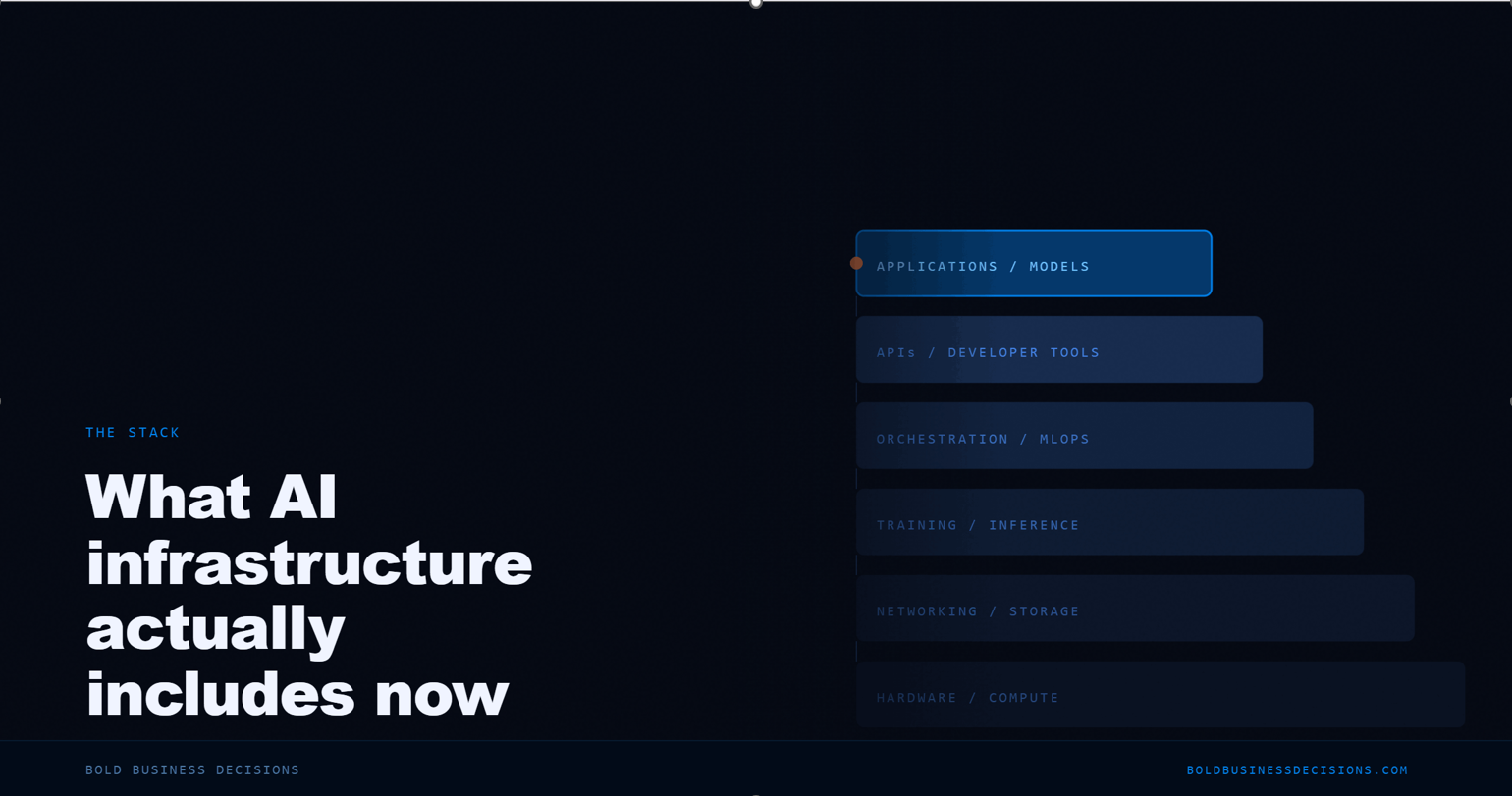
AI infrastructure now extends far beyond raw compute. It includes the full stack required to build, run, manage, and improve AI systems at scale. That includes:
- Compute for training and inference
- Storage for models, embeddings, memory, and multimodal assets
- Data pipelines that turn messy source material into model-ready inputs
- Tooling layers for orchestration, evaluation, deployment, and monitoring
- Developer tools for AI-assisted coding and software workflows
- Security systems for protecting software, teams, and access boundaries
That broad definition matters because AI workloads are exposing the limits of older cloud-era architectures. Many systems in use today were not designed specifically for agentic workflows, high-scale inference, synthetic media generation, or memory-heavy applications.
This creates a major opening for new companies. Some are rebuilding core layers from the ground up. Others are adding new layers on top of existing systems, such as vector storage on top of databases or agent tooling on top of traditional APIs.
What AI infrastructure actually includes now
A common mistake is assuming AI infrastructure means only chips, data centers, or model labs. In practice, the opportunity is much broader and more layered.
1. Foundation model infrastructure
This includes the systems and capital needed to support large model development, training, and deployment. It also includes model access through APIs and the tools needed to operationalize those models.
2. Core systems infrastructure
These are the foundational building blocks for AI applications, such as storage systems, data processing pipelines, orchestration layers, and memory management for agents.
3. Developer infrastructure
As coding workflows change, the toolchain must change too. If more code is being generated by AI agents, teams need new ways to handle code review, continuous integration, deployment, and quality control.
4. Security infrastructure
AI expands the attack surface, but it also creates new ways to improve defense. Security now includes both software perimeter protection and organizational controls around who can access what and how systems behave.
5. Interface and workflow layers
This is where Product led Growth becomes especially important. The best infrastructure businesses are not only technically strong. They also make complex capabilities easy to use for developers, teams, and enterprises.
Why Product led Growth is suddenly central to infrastructure
Historically, infrastructure was not the category most associated with Product led Growth. Buyers were technical, implementation cycles were long, and adoption was usually driven top down.
AI changes that in several ways.
Immediate ROI is easier to demonstrate
Many AI products show value quickly. A user can hear a realistic synthetic voice, test a coding assistant, or automate a repetitive workflow within minutes. That shortens the distance between trial and conviction.
Consumer and enterprise behavior are blending
AI products often start with individual experimentation, side projects, or team-level use. Then they expand into broader business workflows. This makes Product led Growth especially effective because adoption can begin before a formal enterprise buying process.
Default brands form faster in AI
In many AI categories, leaders are pulling away quickly. Once a product becomes the name people associate with a function, that brand advantage can compound. In fast-moving categories, distribution and familiarity become strategic assets.
Technical differentiation alone is not enough
Even excellent model or infrastructure capabilities need packaging. If a company cannot turn technical strength into a product that people understand and use, a rival with a cleaner workflow can win the market.
The new AI playbook: become the default choice fast
One of the clearest emerging patterns in AI is that category leadership can form quickly. In older enterprise markets, the gap between the top few vendors often stayed relatively narrow. In AI, the distance between first and second can widen much faster.
That has major implications for Product led Growth.
The companies that win early often do three things well:
- They define a clear use case instead of trying to be everything to everyone.
- They create a product people can adopt quickly without heavy onboarding.
- They build strong brand recognition so their name becomes shorthand for the category.
This is especially visible in AI-native products where users compare options informally, share recommendations, and spread adoption through networks rather than formal analyst reports alone.
For founders, the lesson is simple: if there is open space in a category, speed matters. Product led Growth is not just an acquisition strategy. It is often the fastest path to becoming the default platform.
How the best AI infrastructure companies combine PLG and enterprise sales
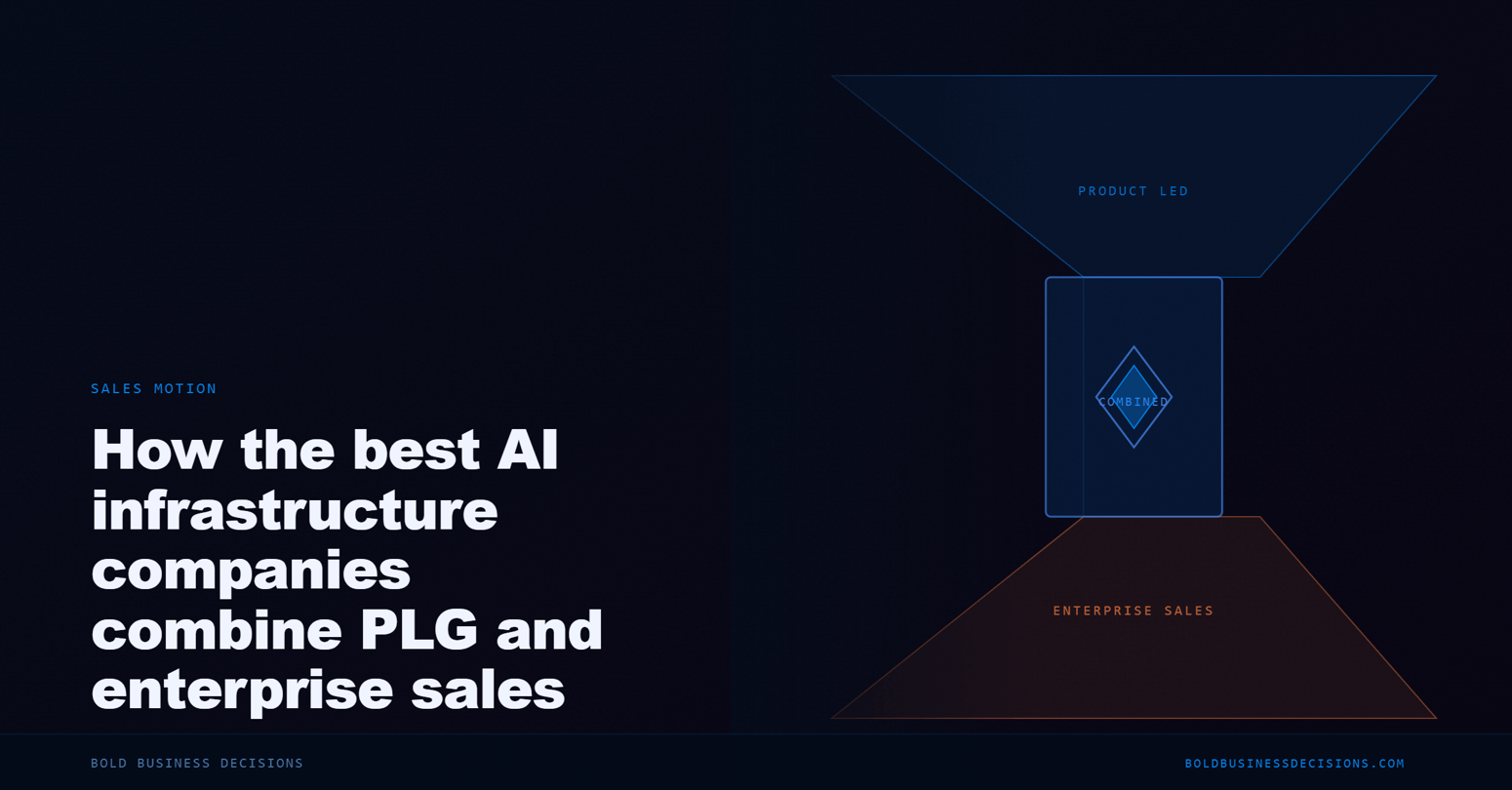
Some teams treat Product led Growth and enterprise go-to-market as opposing models. In AI, the strongest companies increasingly combine both.
A modern AI infrastructure company may offer:
- A self-serve product for developers or creators
- An API for programmatic integration
- Workflow products for business teams
- Enterprise controls, compliance, and support
This layered approach matters because AI adoption often begins with hands-on experimentation. A developer or small team discovers value first. Once results are visible, broader enterprise buying follows.
That creates a powerful sequence:
- Try the product
- See the value quickly
- Share it within a team
- Expand into business workflows
- Upgrade to enterprise deployment
This is classic Product led Growth, but adapted for AI. The product opens the door. The enterprise motion expands the account.
Why voice AI is a strong example of Product led Growth
Voice AI illustrates why some AI categories scale so fast. The value is easy to hear, easy to evaluate, and easy to imagine in real workflows.
Earlier synthetic voice products often sounded robotic and failed to sustain engagement. More recent systems improved realism through pacing, emphasis, pauses, and emotional tone. Once that quality threshold was crossed, the use cases widened dramatically.
Examples include:
- Creative audio and media production
- Narration and content localization
- Customer support automation
- Front-desk and service workflows
- Voice-driven agents for repetitive tasks
Why does this matter for Product led Growth? Because products that demonstrate obvious value in the first session are easier to spread. A user does not need a long explanation to understand whether voice quality is compelling. The product itself carries the message.
Open source, frontier models, and what changes next
Another major trend in AI infrastructure is the coexistence of frontier models and fast-improving open source alternatives.
That dynamic matters for builders because it expands design options. Instead of routing every workflow through a single expensive or slow model, teams can combine multiple systems based on:
- Performance needs
- Cost sensitivity
- Latency constraints
- Task complexity
- Control requirements
This modularity creates new opportunities for Product led Growth. Companies that make model orchestration, routing, and workflow composition easier can win by reducing complexity for users.
Two especially promising modalities are also gaining attention:
World models
These aim to model environments and dynamics more deeply, which may unlock new applications in simulation and beyond.
Vision language models
These combine visual understanding with language reasoning, creating opportunities in robotics, real-time intelligence, document workflows, and multimodal applications.
As these capabilities mature, the winners may be the companies that make them accessible through clean products, not just those that invent the raw capability first.
Pitfalls to avoid when building Product led Growth in AI
Not every AI company with a self-serve signup has a real PLG engine. Several mistakes show up repeatedly.
1. Confusing novelty with retention
A product may generate excitement the first time someone uses it. That does not guarantee repeat use. Product led Growth requires sustained value, not just a strong demo.
2. Ignoring workflow design
Raw model output is rarely enough. Products need guardrails, structure, and user-friendly flows that help people get reliable outcomes.
3. Waiting too long to build a brand
In AI, brand leadership can emerge quickly. Teams that delay category positioning may lose the chance to become the default name.
4. Treating developer users and enterprise buyers as separate worlds
In many AI categories, these audiences connect. Developers often drive early adoption, while enterprises drive larger revenue. The best companies support both paths.
5. Overbuilding before proving adoption
Even in infrastructure, speed matters. Shipping a focused product that users adopt is often more valuable than building a broad platform too early.
A practical framework for AI founders
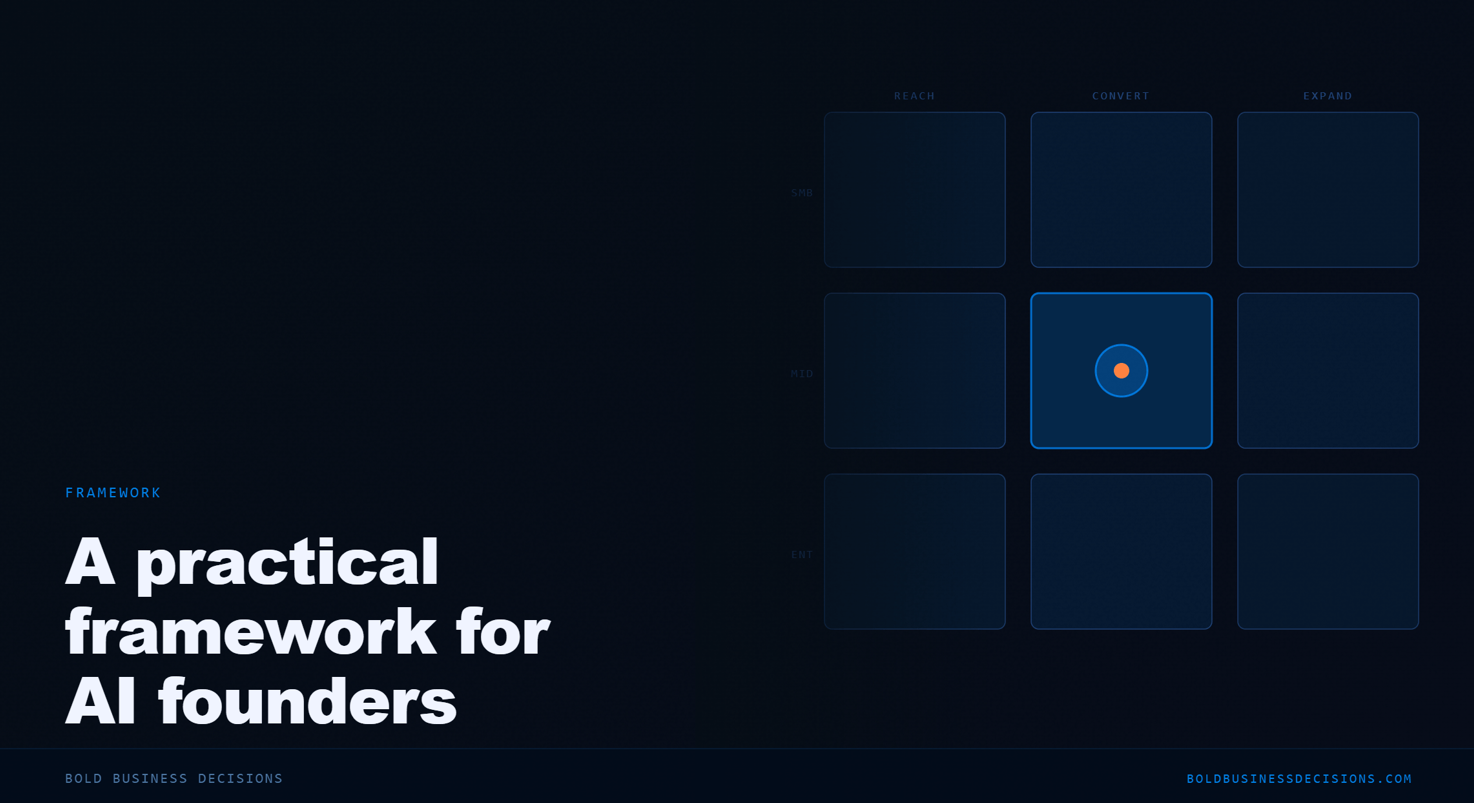
For teams building in AI infrastructure, this checklist can help align product, growth, and market timing.
Define the wedge
- What is the clearest initial use case?
- Who feels the pain most urgently?
- Can value be demonstrated in minutes, not weeks?
Design for first-use success
- Can a new user reach an impressive result quickly?
- Are setup steps minimal?
- Does the product reduce uncertainty for the user?
Build a habit loop
- What brings users back?
- Does the product fit into a recurring workflow?
- Is collaboration or sharing built in?
Create expansion paths
- Can individual use turn into team adoption?
- Is there an API, workflow layer, or enterprise upgrade?
- Are there clear reasons to expand usage over time?
Track model evolution closely
- What can product design solve today?
- What capabilities will likely improve soon?
- How will the roadmap adapt when models catch up?
This is where Product led Growth becomes strategic rather than tactical. It is not just about signups. It is about building the shortest path from capability to category leadership.
What this means for operators and buyers
For enterprise leaders, the current AI market rewards practical adoption over broad experimentation. The strongest AI products usually make themselves obvious through fast value and clear workflow improvements.
That means buyers should evaluate vendors on more than model quality alone. Useful questions include:
- How quickly can a team realize value?
- How intuitive is the product for first-time users?
- Does the company support both self-serve and enterprise needs?
- Is the workflow reliable enough for repeated use?
- Does the platform align with where AI capabilities are headed?
For many categories, the best buying signal is not the loudest claim. It is whether the product creates adoption naturally. That is the practical test of Product led Growth.
Key takeaway
AI infrastructure is becoming a much larger and more application-aware category than many expected. The opportunity includes compute, storage, data systems, developer tools, orchestration, memory, security, and creative workflow layers.
But the companies most likely to dominate these markets will not win on technical capability alone. They will win by turning that capability into products people adopt quickly, trust repeatedly, and recommend widely.
That is why Product led Growth now matters in AI infrastructure as much as it does in application software. In a market where categories form quickly and brand leadership compounds fast, great products are not just delivery vehicles. They are growth engines.
FAQ
What is Product led Growth in AI infrastructure?
Product led Growth in AI infrastructure means using the product itself as the primary driver of adoption, expansion, and market leadership. Instead of relying only on traditional enterprise sales, companies let developers, creators, or teams experience value directly through self-serve usage, APIs, or workflow tools.
Why is Product led Growth important for AI companies?
AI products often show value very quickly. Users can test output quality, workflow speed, or automation benefits in a short time. That makes Product led Growth especially effective because the product can create its own momentum before formal buying cycles begin.
Is AI infrastructure only about GPUs and compute?
No. AI infrastructure also includes storage, data pipelines, orchestration, memory systems, developer tooling, security, and interface layers that help people build and use AI systems effectively.
How do AI infrastructure companies become default brands?
They usually combine strong technical performance with a focused use case, intuitive product design, rapid distribution, and clear user outcomes. In fast-moving AI categories, the first company to establish recognition can build a major advantage.
Can Product led Growth and enterprise sales work together?
Yes. In many AI categories, the strongest model is hybrid. Product led Growth drives early adoption through self-serve products or APIs, while enterprise sales expand those accounts with workflow, compliance, and scale features.
What founder traits matter most in AI today?
The most important traits include strong problem conviction, product instinct, technical depth, awareness of where model capabilities are heading, and a serious approach to go-to-market. In AI, speed of learning and execution matters as much as technical brilliance.